


How to Hire a Trustworthy Local Locksmith
Table of Contents
Why Hiring a Trustworthy Local Locksmith Matters
How to Find a Legitimate Locksmith in Your Area
Check Licensing and Credentials Before Hiring
Verify Insurance and Bonding Status
Read Customer Reviews and Ratings
Ask for Referrals from Trusted Sources
Questions to Ask a Locksmith Before You Hire
Confirm Service Area and Response Time
Ask About Their Specialties and Experience
Verify Identity and Proof at the Door
Understanding Locksmith Estimate and Pricing
What Should Be Included in a Written Estimate
How to Compare Quotes from Multiple Providers
What to Do When a Locksmith Quote Changes
Locksmith Scam Warning Signs to Watch For
Red Flags That Indicate an Untrustworthy Provider
Common Tactics Used in Locksmith Scams
Your Rights and Recourse if You're Overcharged
Choosing the Right Locksmith Service for Your Job
Residential vs. Commercial Locksmith Services
Emergency Lockout vs. Planned Security Work
Frequently Asked Questions
Last Updated: October 11, 2026
Why Hiring a Trustworthy Local Locksmith Matters
Finding a trustworthy local locksmith is critical for your property's security. A lockout at 2 a.m. or a break-in forces you into a vulnerable position where you need fast help, but not at any cost. The wrong choice can leave you overcharged, your property damaged, or your security compromised.
Hiring an unqualified locksmith can result in unnecessary damage, inflated bills, or security vulnerabilities that persist long after the service call. A trustworthy local locksmith protects your peace of mind and your wallet.
This guide shows you how to vet, hire, and work with a trustworthy local locksmith, what questions to ask, red flags to spot, and how to compare quotes for fair pricing.
How to Find a Legitimate Locksmith in Your Area
A legitimate locksmith is licensed, insured, and has a verifiable track record in your community. Avoid random Google searches or unmarked trucks.
Guardian Safe & Lock
Check Licensing and Credentials Before Hiring
A legitimate locksmith holds proper credentials from their jurisdiction. Before hiring, ask for their license number and verify it directly with your state's licensing board or local regulatory agency.
Ask them to provide documentation or direct you to verify it independently. Check for any disciplinary history or complaints against their license in your state's public database.
Verify Insurance and Bonding Status
A bonded locksmith carries a surety bond protecting you if they damage your property. General liability insurance covers accidental damage. A trustworthy local locksmith carries both and provides proof without hesitation.
Ask for their insurance certificate and bonding documents and call the issuing company to confirm coverage is active. If they resist, walk away.
Read Customer Reviews and Ratings
Check multiple platforms, Google Maps, Yelp, the Better Business Bureau, and local community boards, for patterns in feedback, not just star ratings.
Pay attention to how they respond to negative reviews. A professional addresses complaints directly and offers to make things right. Be skeptical of businesses with zero negative reviews.
Ask for Referrals from Trusted Sources
Word-of-mouth recommendations from neighbors, property managers, or contractors carry enormous weight. Ask about response time, pricing, and whether the work held up over time.
Property management companies and general contractors often recommend locksmiths they've used repeatedly. A locksmith with repeat business from professionals has proven reliability.
Questions to Ask a Locksmith Before You Hire
The conversation you have before you hire reveals whether you're dealing with a trustworthy local locksmith or someone cutting corners.
Confirm Service Area and Response Time
Ask if they service your area and their response time for emergencies, typically 15-30 minutes within their service area. Ask about additional fees for nights or weekends.
Ask how they handle delays and whether they communicate proactively with specific timeframes.
Pro Tip Ask about their backup plan if their primary technician is unavailable. A trustworthy local locksmith has trained staff or partnerships to ensure you get served even during high-demand periods.
Ask About Their Specialties and Experience
Not all locksmiths are equally skilled across all job types. A trustworthy local locksmith knows their strengths and will be honest about what they do well.
Ask how many years they've been in business and how many similar jobs they've completed. If they hesitate or seem unfamiliar with your specific need, find someone else.
Verify Identity and Proof at the Door
This step happens when the locksmith arrives, not before. A trustworthy local locksmith will have professional identification and be prepared to show it immediately. Ask for their ID, verify the name and license number match what you were given, and check that the company name on their vehicle or uniform matches what you hired.

Phone spoofing and identity theft happen in the locksmith industry. Verification at the door stops scammers cold.
If the person at your door doesn't match the description or their ID looks questionable, call the company back to verify the appointment.
Watch Out Never let a locksmith inside your home or business without confirming their identity first. If something feels off, trust your instinct and ask them to wait while you call the company to verify.
Understanding Locksmith Estimate and Pricing
Locksmith pricing varies by job type, location, time of day, and experience. Understanding estimates and comparing quotes protects you from overcharging.
What Should Be Included in a Written Estimate
A trustworthy local locksmith provides a written estimate breaking down service call fee, labor, parts, and additional charges. Each line item should be specific, not just "lock repair $150."
Ask if the estimate is binding or can change. Most locksmiths give a range if unsure of scope and confirm the final price before proceeding beyond diagnosis.
How to Compare Quotes from Multiple Providers
Get at least three written quotes. When comparing, look at the itemized breakdown, not just the total.
A significantly lower quote may indicate cut corners or hidden fees. A significantly higher quote may reflect premium expertise. The middle-ground quote from a trustworthy local locksmith with good reviews is often safest.
Pay attention to what's included, service call fees, warranties on parts. These details affect true cost and value.
Comparison Factor | What to Look For |
Service call fee | Clearly stated, reasonable for your area |
Labor rate | Per hour or per job; consistent with local market |
Parts cost | Itemized by part; not inflated above retail |
Additional fees | After-hours, travel, rush charges clearly disclosed |
Warranty | Parts and labor warranty terms in writing |
Binding estimate | Confirmation that price won't change without approval |
What to Do When a Locksmith Quote Changes
Sometimes locksmiths discover additional issues once they start work. A trustworthy local locksmith will stop, explain what they found, give an updated quote, and wait for approval before proceeding.
If the new quote is substantially higher, ask what they found and whether less expensive alternatives exist.
If a locksmith exceeds the estimate without approval, document everything. Many states have consumer protection laws, and you can dispute the charge with your credit card company or file a complaint with your state's regulatory board.
Key Takeaway Always get a written estimate that breaks down service call fees, labor, and parts. If the final invoice exceeds the estimate by more than 10%, ask for a detailed explanation before paying.
Locksmith Scam Warning Signs to Watch For
Scammers rely on urgency and desperation. Knowing warning signs helps you protect yourself.
Red Flags That Indicate an Untrustworthy Provider
Be suspicious of any locksmith who:
Quotes a price over the phone without asking detailed questions about the job
Refuses to provide a written estimate before starting work
Can't or won't provide proof of licensing, insurance, or bonding
Has no online presence, reviews, or verifiable history
Uses high-pressure sales tactics or creates artificial urgency
Demands cash-only payment with no receipt
Won't provide an itemized invoice after the job is complete
Shows up in an unmarked vehicle with no company name or logo
Refuses to show identification at the door
Any one of these is a red flag. Multiple red flags mean you should find someone else, even if it means waiting longer.
Common Tactics Used in Locksmith Scams
One common scam involves bait-and-switch pricing. A locksmith quotes you $50 over the phone to open a door, then arrives and claims the lock is damaged and needs replacement, suddenly charging $300.
Another tactic is the "damage upsell." A scammer deliberately damages your lock during the opening process, then charges you extra to "repair" the damage they caused.
Fake locksmiths sometimes operate under names similar to established companies, "AAA Locksmith" when the real company is "AAA Lock Service." When you search online, the fake company's ads appear near the legitimate one.
Some scammers use call spoofing to make their number appear as a local business or even a company you've called before. When you call back, you reach the scammer, not the legitimate locksmith.
Your Rights and Recourse if You're Overcharged
If you've been overcharged or scammed by a locksmith, you have options. First, try to resolve it directly with the locksmith.
If direct resolution fails, file a complaint with your state's licensing board or consumer protection agency. Many states have specific regulations about locksmith pricing and practices, and regulators take complaints seriously.
You can also dispute the charge with your credit card company if you paid by card. Most credit card issuers allow disputes for services not rendered as agreed or fraudulent charges. Contact your card issuer and provide documentation of the overcharge.
For significant overcharges, consider consulting with a consumer protection attorney. Many offer free consultations and work on contingency for cases involving fraud or deceptive practices.
Choosing the Right Locksmith Service for Your Job
Different jobs require different expertise. A trustworthy local locksmith matches the right service to your specific need.
Residential vs. Commercial Locksmith Services
Residential locksmiths focus on home security: rekeying after a move, fixing broken locks, installing new deadbolts, and handling lockouts. Commercial locksmiths work on business security: master key systems, access control, high-security locks, and security audits. Some locksmiths do both well; others specialize in one area.
If you own or manage a business, ask whether the locksmith has commercial experience.
Similarly, if you're a homeowner, a commercial locksmith might be overkill for a basic rekeying, though they can certainly do the work. A trustworthy local locksmith will recommend the right service level for your needs and won't oversell you.
Emergency Lockout vs. Planned Security Work
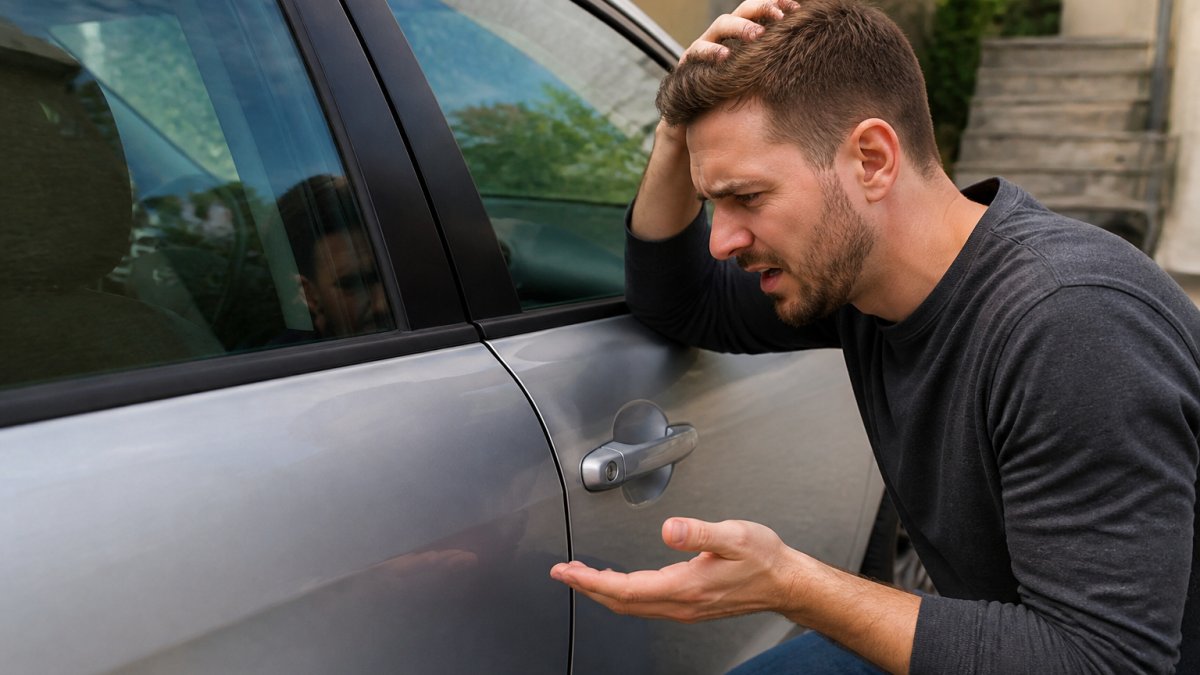
Emergency lockouts, you're locked out of your home or car and need immediate access, demand fast response and straightforward work.
For emergency lockouts, your priority is speed and reliability. Call a trustworthy local locksmith who operates 24/7, has good reviews for emergency response, and can get to you quickly. For planned work, take your time.
A trustworthy local locksmith understands this difference and adjusts their approach accordingly. They prioritize speed for emergencies and thorough consultation for planned work.
Finding and hiring a trustworthy local locksmith protects your property and your peace of mind. Verify licensing and credentials, confirm insurance and bonding, check reviews and referrals, and ask detailed questions before you hire.
At Plaza Lock, we've built our reputation over 30 years by delivering reliable, professional locksmith services across residential and commercial properties. When you need a trustworthy local locksmith you can count on, contact Plaza Lock for a free security assessment.
Frequently Asked Questions
How do I know if a locksmith is legitimate?
Check for a valid state license, ask to see photo identification at the door, verify insurance and bonding, and research customer reviews online. A trustworthy local locksmith will provide a written estimate before starting work and carry professional identification. Ask for references and confirm they're licensed in your state, licensing requirements vary by jurisdiction, so verify against your state's licensing board.
What should I ask a locksmith before hiring them?
Ask about their response time, service area coverage, years of experience, and specific specialties (residential, commercial, automotive). Request a written estimate that itemizes labor costs, parts, and any service call fees. Confirm whether they charge extra for after-hours or emergency calls. Ask about warranties on their work and what happens if they need to damage your lock to gain access.
What are common locksmith scams to watch out for?
Avoid locksmiths who quote a low price over the phone then dramatically increase it on-site, arrive in unmarked vehicles without credentials, or refuse to provide a written estimate. Be wary of door-to-door solicitations or unsolicited calls. Never hire someone who won't show identification or refuses to explain their pricing. If a quote changes significantly, ask for an explanation in writing before authorizing work.
What should a locksmith's estimate include?
A complete estimate should itemize the service call fee, labor costs, cost of parts or locks, any after-hours or emergency fees, and the total price. It should specify what work will be done, what type of lock or hardware will be installed, and whether there's a warranty on parts or labor. A written estimate protects you by preventing surprise charges. Compare itemized quotes from multiple providers to ensure fair pricing and service scope.
Get A Free Estimate
Comments